End Grain vs Edge Grain Cutting Boards: Complete Care & Maintenance Guide

End Grain vs Edge Grain Cutting Boards: Complete Care & Maintenance Guide

When comparing end grain vs edge grain cutting boards, many buyers focus on appearance and durability. However, understanding proper hardwood cutting board care and maintenance is just as important.

Whether used in professional kitchens, retail environments, or private-label programs, correct maintenance extends lifespan, preserves performance, and maintains the natural beauty of hardwood boards.

This guide explains how to properly care for both end grain cutting boards and edge grain cutting boards, and highlights the key differences in their maintenance requirements.


What Is the Difference Between End Grain and Edge Grain Cutting Boards?

End Grain Cutting Boards

End grain boards are constructed with wood fibers oriented vertically. The cutting surface exposes the ends of the wood fibers, creating the classic butcher block pattern.

Because of this structure:

  • The surface is highly knife-friendly
  • The fibers help absorb impact from cutting
  • The board may absorb more oil and moisture

End grain construction is commonly used for premium butcher blocks and high-end hardwood cutting boards.


Edge Grain Cutting Boards

Edge grain boards feature wood fibers running horizontally along the length of the board. This creates a linear grain appearance and a smooth, stable surface.

Edge grain cutting boards are:

  • Durable and cost-efficient
  • Slightly less absorbent than end grain
  • Ideal for consistent, large-scale production

They are widely used in restaurant kitchens, retail programs, and wholesale cutting board collections.


How to Care for End Grain Cutting Boards

Proper end grain cutting board maintenance is essential due to its open fiber structure.

1. Cleaning

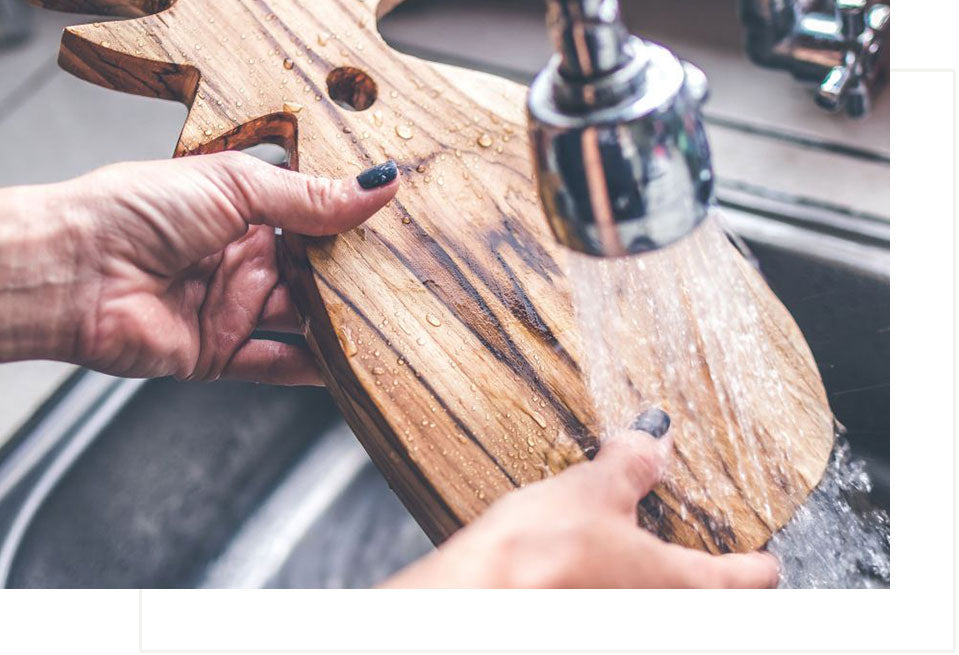
  • Wash by hand with warm water and mild soap
  • Avoid soaking
  • Dry immediately with a clean towel

Because end grain boards absorb more moisture, thorough drying is critical to prevent swelling.

2. Oiling & Conditioning

End grain boards require more frequent oiling than edge grain boards.

Use:

  • Food-safe mineral oil
  • Cutting board conditioner or board cream

Regular oiling helps:

  • Prevent cracking
  • Maintain color depth
  • Preserve structural integrity

In high-use environments, conditioning every 2–4 weeks may be recommended.

3. Sanding & Restoration

One benefit of end grain cutting boards is their natural resilience. The wood fibers tend to “self-heal” slightly after knife cuts.

If needed:

  • Light sanding restores the surface
  • Reapply mineral oil after sanding

With proper care, end grain boards can last for many years.


How to Maintain Edge Grain Cutting Boards

1. Cleaning

Edge grain boards follow the same daily cleaning process:

  • Hand wash only
  • Mild soap
  • Immediate drying

They are slightly less absorbent than end grain boards, making them somewhat more forgiving in busy kitchen environments.

2. Oiling

Although edge grain boards require conditioning, they typically absorb less oil.

A monthly oiling schedule is sufficient for most residential or retail environments, depending on usage.

3. Surface Wear

Edge grain boards may show knife marks more visibly over time compared to end grain boards. However, they remain highly durable and easy to refinish with light sanding and re-oiling.


End Grain vs Edge Grain: Maintenance Comparison

Feature

End Grain Cutting Board

Edge Grain Cutting Board

Oil Absorption

Higher

Moderate

Oiling Frequency

More frequent

Less frequent

Knife Friendliness

Excellent

Very Good

Surface Marks

Less visible

More visible

Restoration

Easy to sand & refinish

Easy to sand & refinish


Which Cutting Board Requires More Maintenance?

If comparing end grain vs edge grain maintenance, end grain boards typically require:

  • More frequent oiling
  • Closer attention to moisture control

However, both types follow the same fundamental care process.

When properly maintained, both constructions deliver exceptional durability and long-term performance.


Hardwood Cutting Board Care Best Practices

To extend the life of any hardwood cutting board:

  • Never place in dishwasher
  • Avoid prolonged water exposure
  • Apply food-safe mineral oil regularly
  • Store upright for airflow
  • Recondition periodically

Consistent maintenance ensures your cutting boards retain their structure, appearance, and functionality.

 

Back to blog

Leave a comment

Please note, comments need to be approved before they are published.

Wood Cutting Board Care & Maintenance

A wood cutting board is one of the most actively used kitchenware items in your home. In order to keep it looking great and remain a long lasting accessory in your kitchen, it's important that you give your cutting board the proper care it requires.


Hand wash only - never submerge in water

To avoid bacteria, it's important that you wash your cutting board immediately after use. Wipe the cutting board with hot soapy water, rinse it with hot water only and wipe it dry with a clean dish towel. Store in a dry area.
Important:


Never submerge in water.
Do not place in dishwasher or in a microwave.

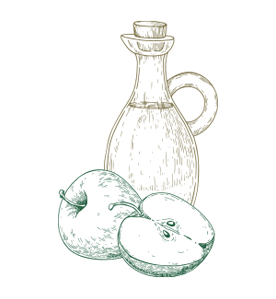
Disinfect & deodorize using vinegar

We recommend keeping a spray bottle of vinegar handy to disinfect & deodorize your wood cutting board. Acetic Acid (white winegar) is an excellent disinfectant for E. coli, Salmonella and other household bacteria. Spray vinegar on the wood cutting board, let it sit for a few minutes and wipe it with a damp warm cloth.

Remove stains & deodorize with baking soda

Combine 2 tablespoons of baking soda, 1 tablespoon of salt and 3 tablespoons hot water to create a non-toxic cleaning agent. Mix these ingredients together to form a paste and scrub the entire surface of the cutting board. Finally, wipe it with a warm wet cloth and dry with a dish towel.

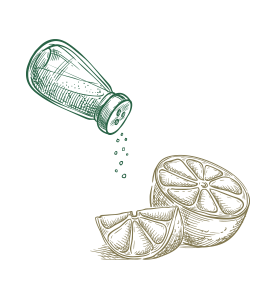
Clean with coarse salt & lemon

For an all-natural clean, first try dampening the wood cutting board with a warm cloth and sprinkling coarse salt over it. Cut a lemon in half and scour the cut side of the lemon over the board while slightly squeezing the lemon juice out. Let it stand for five minutes and use a scrub brush to remove the excess.

Refurbishing wood cutting board

It's hard to avoid knife marks from accumulating on your cutting board over the years. The wonderful thing about a wood board is that it can be returned to it's original splendor. All you need is three different grits of sand paper (100, 180 and 240). First sand the board with the coarser 100 grit, then the 180 grit and finish with the fine 240 grit. Once you are done with sanding , wash the board, let it dry and apply our conditioner.

Wood Cutting Board Oil Options

We recommend treating the board frequently in order to repel food particles and prevent stains and cracks from happening. It's best to treat the board at least once a month and twice a month if used often.

It's important to make sure that the cutting board is clean and dry before applying any of these oils.

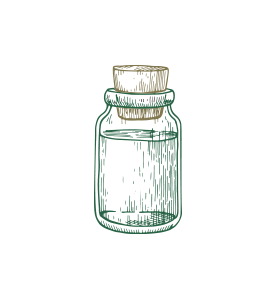
Mineral Oil

Mineral oil is the most commonly used option because it is a safe and cost effective way to keep your wood cutting board looking great for years. Food safe mineral oil can be purchased at your local drug store or major retailer.

Apply the mineral oil using a clean cloth and spread evenly over the board. Let the oil set in for a few hours, or even let it set overnight if you can. Afterwards, wipe the excess oil off using a dry cloth.

Beeswax and Mineral Oil Combo

You can combine mineral oil and beeswax in order to obtain the penetrating qualities of mineral oil and the sealing qualities of beeswax.

In a small saucepan, measure 1/4 cup of beeswax and 1 cup of mineral oil. Stir constantly on low heat until until the beeswax is completely dissolved. If temperature is too high, the beeswax will discolor.

Remove from heat and let stand for a minute, then pour in a sealed jar and let cool for a few hours. Stir once or twice every hour to ensure it is well blended. If you skip the stirring, the mixture won't be as homogenous.

Using a small cloth, rub the paste on board until absorbed and let it stand for 5-15 minutes. With a clean cotton cloth, buff in a circular motion until the finish is smooth.

Avoid Vegetable or Nut-based Oil

Do not use vegetable or nut-based oil on your cutting board for the simple reason that it will spoil and become rancid. This will leave your wood cutting board with an unpleasant smell that will also noticeably change the taste of the food you are preparing.

Cut Lightly

When using your wooden cutting board, make sure you pair it with sharp knives that make cutting easy and apply minimal pressure to void creating deep gashes in your wooden cutting board.

If your knives are dull, take them in to a professional knife sharpener - you'll be surprised what a difference sharp knives can make in kitchen prep!

Food Safety Practices

According to U.S. Department of Health & Human Service's food safety website the main steps to ensuring that your foods are prepared in a safe manner that reduces the risks of getting food poisoning or worse are:


Clean - Wash hands and utensils frequently. Wash fruits and veggies.
Separate - Keep meat, poultry, seafood and eggs separate from all other foods.
Cook - Cooked food is safe once heated to a high temperature to kill bacteria.
Chill - Keep your family safe from food poisoning by refrigerating foods promptly.

We recommend visiting the food safety website with your family and brushing up on your food safety knowledge. Nobody wants a round of food poisoning!